

Безопасность сварки: Стабильное электропитание - основа безопасных и качественных сварных швов (WeldSafe Essentials 8)
Нестабильное напряжение - молчаливый враг любого сварщика: оно вызывает нестабильную дугу, плохое проникновение, большое количество брызг и даже может повредить ваш аппарат или создать опасность поражения электрическим током. На сайте WeldSafe Essentials #8, Мы погрузимся в изучение критической важности стабильное электропитание, пределы колебаний напряжения, правила определения размеров генератора, специальные распределительные коробки и надлежащая защита от сверхтоков. Ошибитесь, и вы рискуете получить плохие сварные швы, отказ оборудования и несчастные случаи.
Почему важна стабильность напряжения
Большинство современных сварочных аппаратов (инверторных или трансформаторных) рассчитаны на работу в узком диапазоне напряжения. Чрезмерные колебания приводят к:
- Неустойчивая дуга → пористость, отсутствие плавления, большое количество брызг
- Перегрев внутренних деталей → снижение рабочего цикла, преждевременный выход из строя компонентов
- Скачки напряжения → перегоревшие конденсаторы или печатные платы
- Низкое напряжение → отключение оборудования или невозможность создания дуги
Производители обычно указывают ±10% номинального входного напряжения в качестве безопасного рабочего диапазона. Для машины с напряжением 220 В это означает 198-242 В. При превышении этого значения страдает производительность и безопасность.
Основные требования к источникам питания
1. Держите колебания напряжения в пределах ±10%
- Перед началом работы проверьте напряжение питания с помощью вольтметра.
- Если в вашем магазине или на стройплощадке часто случаются перепады или скачки напряжения, установите стабилизатор напряжения или автоматический регулятор напряжения (AVR).
- Избегайте совместного использования сварочной цепи с тяжелыми нагрузками (большими двигателями, компрессорами), которые вызывают провалы при запуске.
2. Сварка с питанием от генератора: Правильный выбор размера
При отсутствии электроэнергии генератор должен выдавать чистую, стабильную энергию без перебоев.
- Правило большого пальца:
- Трехфазные сварочные аппараты: Номинальная кВА генератора ≥ 2 × номинальная потребляемая мощность сварочного аппарата кВА
- Однофазные сварочные аппараты: Номинальная кВА генератора ≥ 3 × номинальная мощность сварочного аппарата кВА
- Почему именно множитель? При сварке возникает большой пусковой ток при ударе дуги, а однофазные нагрузки создают еще больший дисбаланс. Негабаритные генераторы вызывают сильные перепады напряжения, некачественные сварные швы и возможные застои.
Пример: Для инверторного сварочного аппарата 200 А с номинальной потребляемой мощностью 5 кВА (однофазный) необходим генератор мощностью не менее 15 кВА непрерывный рейтинг.
- Выберите AVR-оборудование или генераторы инверторного типа для получения наиболее чистой формы волны - идеально подходят бесщеточные модели с приводом от двигателя и THD <5%.
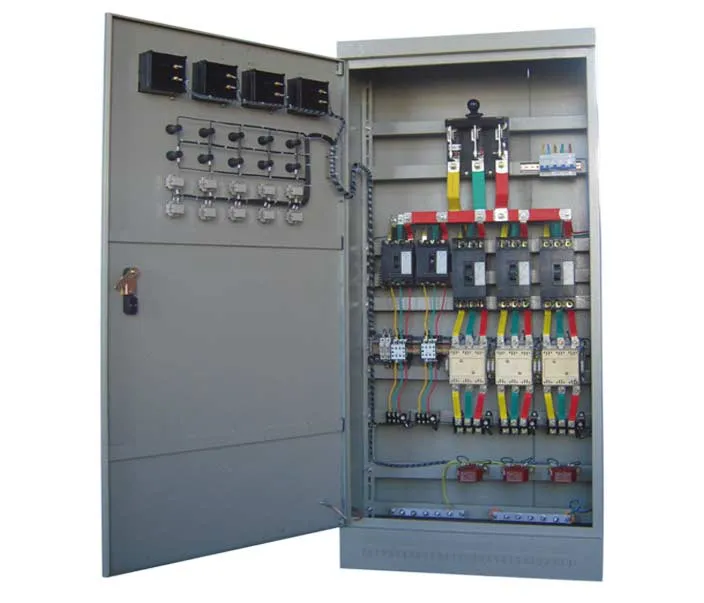
3. Выделенная распределительная коробка для каждого сварщика
- Никогда Последовательное подключение нескольких сварочных аппаратов к одному выключателю или розетке.
- Установите отдельная запираемая распределительная панель для каждой машины с:
- Правильно подобранный питающий кабель
- Главный выключатель разъединителя
- Защита от перегрузки по току (см. ниже)
Это предотвращает перегрузки, облегчает блокировку/тагирование и снижает падение напряжения.
4. Надлежащие предохранители или автоматические выключатели
При подборе размера всегда руководствуйтесь инструкцией производителя:
- Предохранители с выдержкой времени (медленного действия) или Автоматические выключатели типа D предпочтительнее - они справляются с бросками напряжения при сварке без неприятных срабатываний.
- Типовой размер: 125-150% от номинального входного тока сварочного аппарата.
- Замените перегоревшие предохранители на точный рейтинг и тип-чрезмерное увеличение не обеспечивает защиту и создает риск пожара.
Краткая справочная таблица
| Сценарий | Требование |
|---|---|
| Колебания напряжения в электросети | ≤ ±10% от номинального напряжения |
| Трехфазный сварочный аппарат + генератор | Генератор ≥ 2 × мощность сварочного аппарата кВА |
| Однофазный сварочный аппарат + генератор | Генератор ≥ 3 × потребляемая мощность сварочного аппарата кВА |
| Защита цепи | Предохранитель с медленным дутьем или прерыватель типа D в соответствии с инструкцией |
| Распространение | Одна специальная панель на машину |
Общие ошибки, которых следует избегать
- × Использование малогабаритного генератора на стройплощадке, “потому что он отлично запускает другие инструменты”.”
- × Подключение высокомощных сварочных аппаратов к бытовым розеткам на 15 А
- × Игнорирование падения напряжения на длинных удлинительных шнурах (используйте более толстый калибр)
- × Обход выключателей после повторных срабатываний
Стабильная мощность = безопасная мощность
Стабильный, правильно подобранный источник питания - это не просто красивые бусы, это защита инвестиций в оборудование и устранение скрытых электрических рисков. Измеряйте напряжение, подбирайте генераторы по размеру, выделяйте панели и защищайте цепи должным образом. Ваши сварные швы (и ваша история безопасности) скажут вам спасибо.
Приходилось ли вам бороться с нестабильными дугами из-за плохого питания? Расскажите о своем опыте ниже.
 English
  Español
  Русский
  العربية
  Français
  Português