

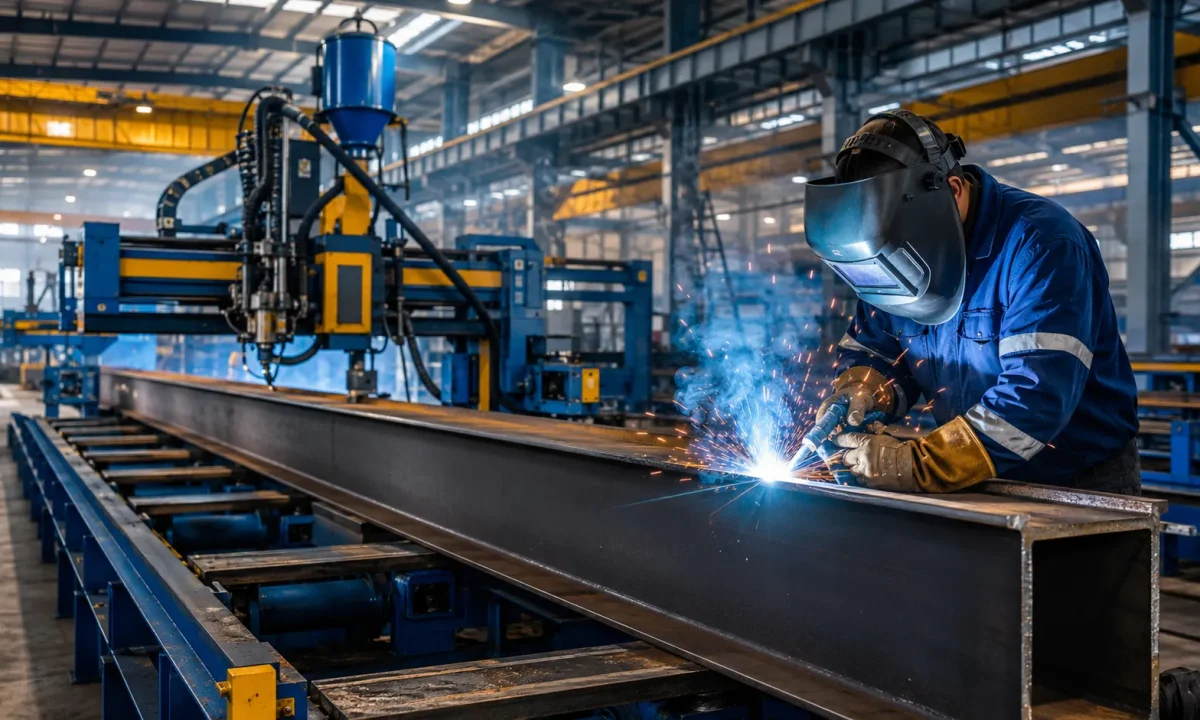
تحليل تكلفة آلة «3 في 1» مقابل آلات اللحام والتقويم المنفصلة
مقدمة
عند تقييم معدات خط إنتاج العوارض على شكل حرف H، غالبًا ما يواجه صانعو قرارات الشراء افتراضًا أوليًّا شائعًا، وهو أن آلة إنتاج العوارض على شكل حرف H «3 في 1» تبدو أكثر تكلفة في البداية، وبالتالي فإن الآلات المنفصلة لا بد أن تكون الخيار الأكثر اقتصادية.
هذا الافتراض مضلل. فالإجابة تعتمد كليًّا على أبعاد التكلفة التي يتم قياسها. فإذا تم تقييم الأمر بناءً على سعر الوحدة فقط، فقد تبدو الآلات المنفصلة أرخص. أما إذا تم تقييمها بناءً على تكلفة دورة الحياة الكاملة — وهي المقارنة الوحيدة التي تعكس العائد الفعلي على الاستثمار — فإن النتيجة غالبًا ما تكون عكس ذلك.
تتناول هذه المقالة تفاصيل مقارنة تكاليف آلة تصنيع العوارض على شكل حرف H ثلاثية الوظائف عبر ستة أبعاد: شراء المعدات، والمساحة الأرضية، والعمالة، ودورة الإنتاج، والصيانة، والتكاليف الخفية. كما يقدم استنتاجات متنوعة بناءً على حجم الإنتاج، لمساعدة مديري المصانع وفرق المشتريات على اتخاذ قرارات استثمارية أكثر استنارة.
مقارنة سريعة للتكاليف
| البعد المتعلق بالتكلفة | آلات منفصلة | آلة متكاملة 3 في 1 |
| شراء المعدات | متوسط – مرتفع | متوسط–مرتفع (مماثل) |
| المساحة المطلوبة | كبير | تم تخفيضه بنسبة 50–60% |
| عدد العاملين في كل نوبة عمل | 4–6 | 1–2 |
| دورة الإنتاج | توقف مؤقت بين المراحل | مستمر |
| إدارة الصيانة | 3 جداول منفصلة | 1 جدول موحد |
| مخزون قطع الغيار | 3 مجموعات مستقلة | 1 مجموعة موحدة |
| الأفضل لـ | استثمار على نطاق أصغر، يتم تنفيذه على مراحل | عائد استثمار طويل الأجل على نطاق متوسط إلى كبير |
تكلفة شراء المعدات
تعتقد العديد من المصانع أن الآلة المتكاملة أكثر تكلفة لأن سعر الوحدة منها يتجاوز سعر آلة التجميع الفردية أو آلة اللحام الفردية. وهذه المقارنة معيبة من الناحية المنطقية.
الخط الأساسي الصحيح لـ مقارنة تكاليف آلة تصنيع العوارض على شكل حرف H ثلاثية الوظائف هي التكلفة الإجمالية للشراء عند سعة إنتاج مكافئة. ويتطلب تكوين آلة منفصلة شراء ثلاث وحدات مستقلة — آلة تجميع، وآلة لحام، وآلة تقويم — لكل منها نظام تشغيل خاص بها، ونظام تحكم، وإطار هيكلي. وعادةً ما يكون سعر الشراء الإجمالي عند السعة المكافئة مماثلاً لسعر النظام المتكامل، بل ويكون أعلى منه في بعض التكوينات.
وتشمل تكاليف الشراء الإضافية للآلات المنفصلة رسوم التركيب والتشغيل لكل وحدة على حدة، ومعدات النقل المساعدة بين المحطات، ومخزون قطع الغيار الأولي لثلاثة أنواع مستقلة من الآلات. وعند أخذ هذه العوامل في الحسبان، يتبين أن الفارق الفعلي في التكلفة في مرحلة الشراء أقل بكثير مما يوحي به الفارق الظاهري في الأسعار.
تكلفة المساحة الأرضية
تُعد المساحة الأرضية تكلفة ثابتة يُستخف دائمًا بتأثيرها على العمليات.
يتطلب التصميم المنفصل للآلات مساحة تركيب لكل وحدة من الوحدات الثلاث، بالإضافة إلى ممرات نقل بين المحطات بطول كافٍ لاستيعاب عارضة H بطولها الكامل، فضلاً عن مساحة أمان على جانب المشغل لكل آلة. بالنسبة لخط إنتاج عوارض H بطول 12 مترًا، يتراوح الطول الإجمالي للخط في التكوين المنفصل عادةً بين 60 و80 مترًا. أما النظام المتكامل المكافئ فيشغل عمومًا مساحة تتراوح بين 25 و35 مترًا — وهو ما يمثل تخفيضًا في المساحة الأرضية بنسبة تقارب 50–60%.
يختلف الأثر المالي لهذا الاختلاف باختلاف الحالة. المصانع التي تمتلك منشآت خاصة بها ومساحة واسعة هي الأقل تأثراً بهذا الأمر، على الرغم من أن المساحة الإضافية التي تشغلها لا تزال تقلص المساحة المتاحة لخطوط الإنتاج الأخرى. أما المصانع التي تعمل في منشآت مستأجرة فتتأثر بشكل مباشر — حيث يُترجم الفرق في المساحة المشغولة إلى تكلفة إيجار سنوية قابلة للقياس. وتستفيد المصانع التي تخطط لبناء منشآت جديدة من انخفاض الاستثمار في البناء بما يتناسب مع المساحة الأرضية التي يتم توفيرها.
تكلفة العمالة
عادةً ما يتطلب تكوين الآلة المنفصلة مشغلًا واحدًا إلى مشغلين لكل محطة في مراحل التجميع واللحام والتقويم، بالإضافة إلى موظف واحد إلى موظفين اثنين يتولون عمليات النقل بالرافعة بين المراحل — أي ما مجموعه أربعة إلى ستة أشخاص في كل نوبة عمل. أما النظام المتكامل الأوتوماتيكي بالكامل، فيمكن مراقبته بواسطة مشغل واحد إلى مشغلين على طول الخط بأكمله.
يتفاقم الفارق في تكلفة العمالة بشكل كبير بمرور الوقت. وبافتراض أن تكلفة العمالة تبلغ 25 دولارًا أمريكيًا لكل عامل في الساعة خلال نوبة عمل مدتها ست ساعات، فإن تكلفة العمالة المباشرة لخط إنتاج مستقل تتراوح بين 600 و900 دولار أمريكي تقريبًا لكل نوبة عمل، بينما تتراوح تكلفة النظام المتكامل بين 150 و300 دولار أمريكي تقريبًا. وعند العمل بنظام نوباتين على مدار 250 يوم عمل سنويًا، يصل الفرق إلى ما بين 150,000 و300,000 دولار أمريكي سنويًا. وعند احتساب هذا الرقم على مدار دورة حياة المعدات التي تتراوح بين خمس إلى عشر سنوات، فإنه يتجاوز بشكل كبير الفرق في السعر الأولي بين التكوينين في معظم العمليات متوسطة إلى كبيرة الحجم.
دورة الإنتاج وفقدان النقل
كل عملية نقل بين العمليات في خط إنتاج منفصل تؤدي إلى وقت تعطل: انتظار الرافعة، وربط قطعة العمل بالرافعة، ونقلها، وإنزالها، وإعادة وضعها في مكانها. وتستغرق كل عملية نقل ما بين خمس إلى عشر دقائق تقريبًا. وبوجود عمليتي نقل لكل عارضة على شكل حرف H — من التجميع إلى اللحام، ومن اللحام إلى التسوية — فإن كل قطعة تستغرق ما بين عشر إلى عشرين دقيقة من الوقت غير الإنتاجي.
عند معدل إنتاج يومي متوسط يتراوح بين 20 و30 قطعة، تتراكم خسارة النقل هذه لتصل إلى ما بين ثلاث وعشر ساعات يوميًا — أي مئات ساعات العمل الفعّالة سنويًّا لا تنتج شيئًا. ويقضي التكوين المتكامل على عمليات النقل بين العمليات تمامًا. ففي كل دقيقة تعمل فيها الآلة، يتم معالجة الفولاذ بشكل فعّال.
تكلفة الصيانة وتعقيد الإدارة
وجود ثلاث آلات منفصلة يعني وجود ثلاثة جداول صيانة مستقلة، وثلاثة مخزونات لقطع الغيار، وموظفي صيانة يجب أن يكونوا على دراية بثلاثة أنواع مختلفة من المعدات وأنماط الأعطال. إن تعطل أي آلة من هذه الآلات يؤدي إلى توقف تلك المرحلة من العملية، كما يؤدي إلى توقف خط الإنتاج بأكمله حتى يتم إصلاح العطل.
يعمل النظام المتكامل على توحيد عمليات الصيانة في نوع واحد من المعدات، مع جدول زمني موحد، وعدد أقل من رموز مخزون قطع الغيار (SKU)، ومنحنى تعلم أسهل لموظفي الصيانة. وتتيح التصميمات المعيارية صيانة الوحدات الفردية دون الحاجة إلى إيقاف تشغيل الخط بأكمله، مما يقلل بشكل أكبر من مخاطر التوقف غير المخطط له.
التكلفة حسب حجم الإنتاج
الميزة التكلفية للتكوين المتكامل ليست موحدة عبر جميع أحجام العمليات. ويُعد حجم الإنتاج هو المتغير الرئيسي.
أما بالنسبة للعمليات الصغيرة الحجم التي تنتج أقل من عشرة عوارض يوميًا، فإن الوفورات المطلقة في العمالة محدودة، وتكون الحجج المؤيدة للنظام المتكامل أقل قوة. وفي حال توفر المساحة الأرضية اللازمة، فإن اتباع نهج تدريجي — يتمثل في إضافة القدرات العملية الناقصة في شكل وحدات مستقلة — قد يوفر مرونة أكبر في استخدام رأس المال.
بالنسبة للعمليات متوسطة الحجم التي تنتج ما بين عشرة إلى ثلاثين حزمة يوميًا، تصبح الفروق في تكلفة العمالة ذات أهمية كبيرة، وتصبح خسائر وقت الدورة قابلة للقياس، وعادةً ما تبدأ التكلفة الكاملة لدورة حياة النظام المتكامل في التفوق على فرق سعر الشراء في غضون ثلاث إلى خمس سنوات. ويُعد التكوين المتكامل نقطة البداية الموصى بها للتقييم على هذا النطاق.
بالنسبة للعمليات واسعة النطاق التي تنتج أكثر من ثلاثين عارضة يوميًا، تتضخم جميع الفروق في التكاليف — سواء كانت تكاليف العمالة أو مدة الدورة أو تعقيد الصيانة. وعادةً ما يؤدي العائد على الاستثمار في نظام متكامل أوتوماتيكي بالكامل أو مزود بتقنية التحكم الرقمي (CNC) على هذا النطاق إلى تعويض فارق السعر في غضون ثلاث إلى خمس سنوات، مع تحقيق وفورات متراكمة بعد ذلك.
الخاتمة
A مقارنة تكاليف آلة تصنيع العوارض على شكل حرف H ثلاثية الوظائف لا يتعلق الأمر بسعر الوحدة. بل هو قرار استثماري يتعلق بدورة الحياة. وعند الإنتاج على نطاق متوسط إلى كبير، أو في المنشآت المستأجرة، أو عند التخطيط لبناء منشأة جديدة، فإن الميزة التي يوفرها إجمالي تكلفة النظام المتكامل عادةً ما تعوض الفارق في السعر في غضون ثلاث إلى خمس سنوات — وتستمر في تحقيق وفورات طوال الفترة المتبقية من عمره التشغيلي. للحصول على نظرة عامة كاملة على التكنولوجيا نفسها، راجع دليل آلة لحام وتصويب مجموعات العوارض على شكل حرف H.
إذا كنت بصدد اتخاذ هذا القرار بشأن نشاطك الخاص، فيُرجى الاتصال بـ ZMDE الفريق الفني. يمكننا تقديم مقارنة للتكاليف تستند إلى حجم الإنتاج الفعلي الخاص بكم، وظروف المنشأة، وبيئة تكاليف العمالة.
 English
  Español
  Русский
  العربية
  Français
  Português